
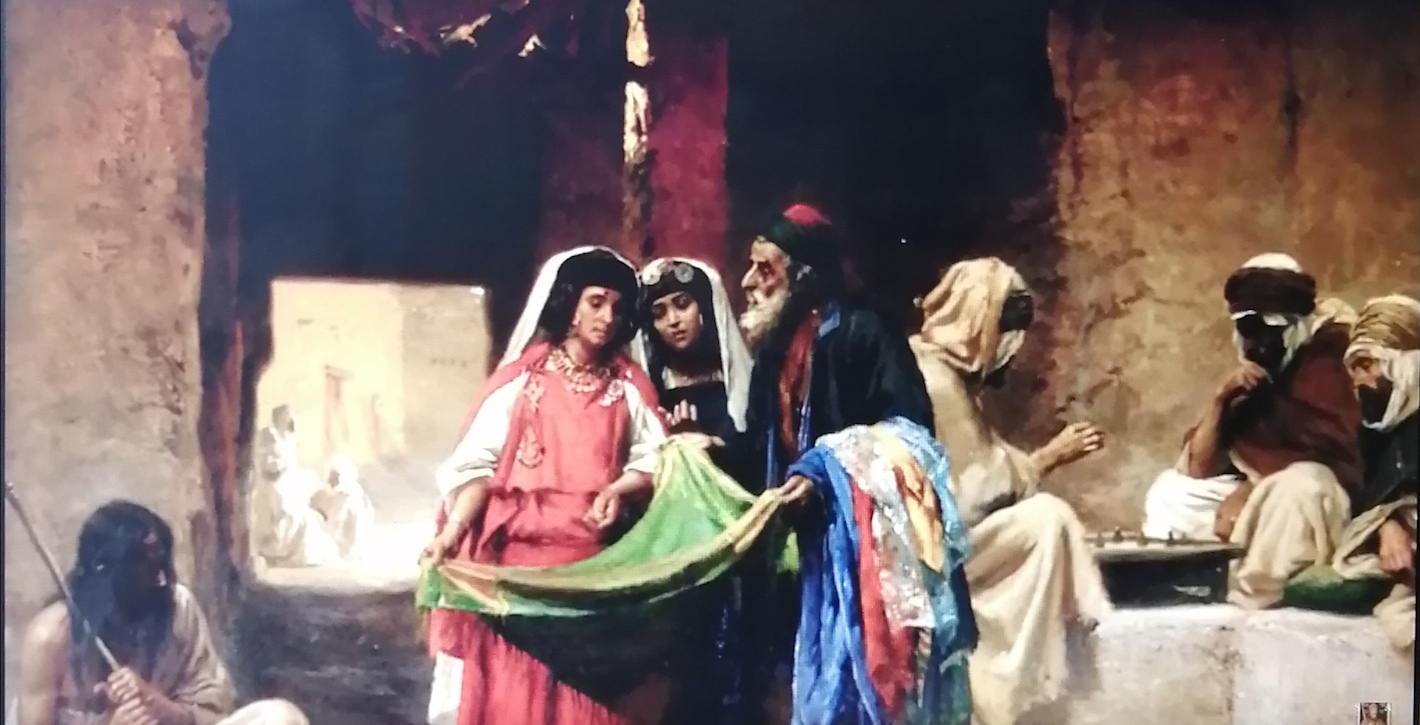
You will find here an array of lovingly realized items. From recycled fabric, transformed from many things into a functional “new” item. Did you know that fast, cheap, disposable clothing is harming the environment and people on the planet. Many Big brand companies have been found guilty of dumping or destroying unsold stock as well as products customers returned. Some companies address the matter others do not. Fast fashion is in the mainstream fashion industry that fit the current trend and appeal to ego brand conscious consumers. They are not made to last ensuring the consumer buys more. It is a cycle of extraction of raw materials or man made fabrication that deplete the land and erode the soil, production usually in sweat shops that employ minors and many single females with child, mothers who can not be employed elsewhere because they have a child, people moonlighting to make ends meet. The consumption and discarding in landfills or dumpsters is global pattern of events.
Green washing water fact, It takes 2,700Litres of water to make a single cotton t-shirt. That is enough water for a person to stay hydrated for two and a half years. 20-25% donated clothing is resold locally in thrift stores and some are recycled to places like India major recycle industries are in place and provides jobs for local women mainly. Regarding Fair trade impact studies the continual debate and key issue is to make explicit who possess the power to define the term fair trade, that is ho possesses the power to determine the need of an ethic in the first instance, and subsequently command a particular ethical vision as the truth. (Ethical objections to ‘fair trade’ Journal of Business and Ethics. P Griffiths July 2011)
Most objections centre around coffee, cocoa, banana and other industries at the level of the producer, farmer. The decline of 100% cotton clothing due to rising costs, improved synthetic blends and environmental concerns. While cotton remains a staple in some industries, blends with polyester, spandex and bamboo offer better durability, flexibility and moisture control. Polyester, acrylic, nylon, acetate, viscose and spandex are part of the blends used in clothing. they often carry a odour due to the chemical used to manufacture the cloth. They can be washed out and remove any toxins or chemicals safely neutralizing odours and significantly reduces chemical residues. Use cold water with mild detergent. Add 1C of vinegar or baking soda NOT BOTH and soak for 30 minutes. Rinse thoroughly, air dry if possible or if the fabric is suitable machine dry on cool ~40 degrees. 60 degrees kills bacteria and removes stains better.
The acrylic yarn used in some of the knitted, crocheted items on this website is 100% acrylic machine washable, unless noted in the product description. It is not the old fashioned acrylic that once dominated crafting, artisan supply stores. Generated in old industrial mills and factories that used chemical dyes and processing.
It is a new generation of yarn that produces a durable and attractive garment, with no past obnoxious odour. I mainly use acrylic for the knitted, crocheted items. The cotton yarn used is 100% unless specified for example. The smaller market bags of bright colours are made from a cotton, polyester blend 70:30 and perform much like the 100% variety. All garment here are stored in lavender buds ensuring freshness and the care, washing instructions are attached easy to read.
Prioritize and use discrimination when shopping for new items. Quality rather than quantity. Are the items made well, quality of fabric, the hand work stitching. If need be can it be repaired in future , does it come with any warranty, learn laundry codes. Learn how to wash, mend your clothing rather than throw it away, especially if it is good fabric! Is is made from sustainable material, cotton, linen, hemp, does it have non toxic dyes, support local small scale producers. Chemical or vegetable dyed, many things to consider.
As an artisan the pricing of one’s creation, handmade is usually more expensive than the main stream items. The materials used and their price which fluctuates depending on source, labour costs, time taken, utilities used all have to be considered in the final retail or wholesale price. There are formulas many use as a guide line (www.launchgrowjoy.com) Gone are the days when home or hand made items was considered cheap, and less than industrial manufactured, bulk items. The war and marketing strategies of mainstream clothing, cosmetic production is a cut throat world. This is seen in the movie ‘The devil wears Prada’ and countless similar movies. ‘Never mind the quality feel the width’ was a British TV comedy series of the 1980s when I was in University; about the antics of Jewish tailors in London. I have Jewish ancestry so I am not ridiculing them in any way. The British humour then and now has shifted; many do not have any understanding or empathy with what humour of that period was. Times change and as one can clearly observe the lack of emotion or show of emotion globally is like a pandemic disease. The empathy, affection is toward the media, electronics, phone, AI has to tell them how, when, why, what to feel, any time. The lack of inter and intra personal communication is the devil wearing AI, if you believe in a devil at all. Even the devil and it’s opposite as been sterilized.
Shop second hand, recycled on line, up scaling, vintage, websites, consignment stores, social medias buy and sell. It is wise and for best health practices to wash anything bought from thrift, consignment and mainstream stores. Ethical,fashion alternatives like this site it is all part of mindfulness. Your impact, energetic footprints you leave can harm others . Everyone’s total impact on the planet can be lessened with a little more thought and loving kindness to all things, even our clothes. An extension of your self!
Reference: Canadian General Standards Board CGSB. PDF can be downloaded from there site hoe dots are used for defining temperature of water for washing symbols.